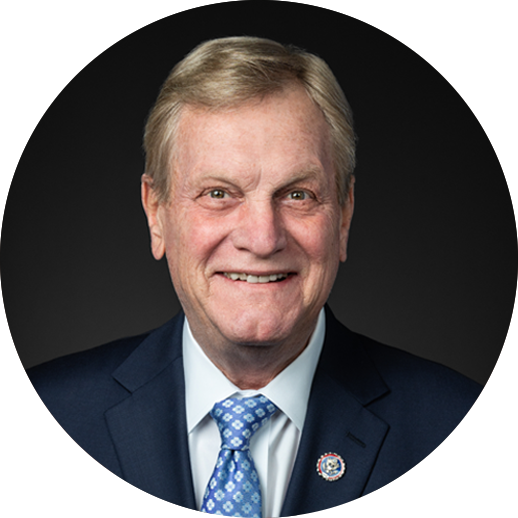
In a news conference Congressman Mike Simpson joined colleague Albert R. Wynn (MD) today, to announce the introduction of the Essential Oral Health Care Act of 2007. This Act will improve the delivery of dental services in state Medicaid and SCHIP programs, provide grants for Community Dental Health Coordinator training as well as for volunteer missions of mercy dental projects, and provide a tax credit for donated dental services.
“Tooth decay is a preventable, infectious disease,” said Simpson. “If untreated, it can impede a child’s ability to eat, speak, learn, and in extreme cases, it can lead to death. As is the case in most diseases, early detection is vital; this legislation will help get treatment to kids who need it most.”
Minority, low-income, and geographically isolated children suffer disproportionately from dental cavities. In fact, 80 percent of all tooth decay is found in 25 percent of children– children who are overrepresented in the lower socioeconomic strata. The recent tragic death of Deamonte Driver, a twelve year-old boy from Maryland who died from a brain infection resulting from an abscessed tooth, demonstrates the need to address access to care issues for our most vulnerable citizens.
The impact of poor oral health can, as this tragic case shows, go far beyond the mouth. It is well- documented that poor oral health can lead to oral infections that can affect systemic health. Oral bacteria have been associated with bacterial pneumonia in bed or chair-bound patients, increased risk of heart attack and may also be passed from mother to child resulting in a higher prevalence of cavities in young children.
The Essential Oral Health Care Act will improve the delivery of dental services in state Medicaid and SCHIP programs, provide grants for Community Dental Health Coordinator training programs and volunteer dental projects and provide tax credits for donated dental services. It also:
- Provides each State an option to accept an increase in its Federal Medical Assistance Percentage rate for its dental Medicaid and SCHIP programs provided certain access to care provisions are met. States that increase the percentage of plan users and participating dentists will continue to receive the enhanced match.
- Authorizes grants to pilot the Community Dental Health Coordinator (CDHC) position which will work in underserved communities, in collaboration with health and community organizations and schools to provide community-focused oral health promotion. The CDHC will also connect residents with limited dental care access to dentists.
- Authorizes grants for volunteer dental programs by community-based organizations, state dental associations, dental schools, and hospitals with postdoctoral dental education programs to provide free dental care to underserved populations.
- Encourages dentists to provide additional donated dental services by providing a $5,000 tax credit for free and discounted services provided.